Tanga Coleacanth Marine Park (TACMP)
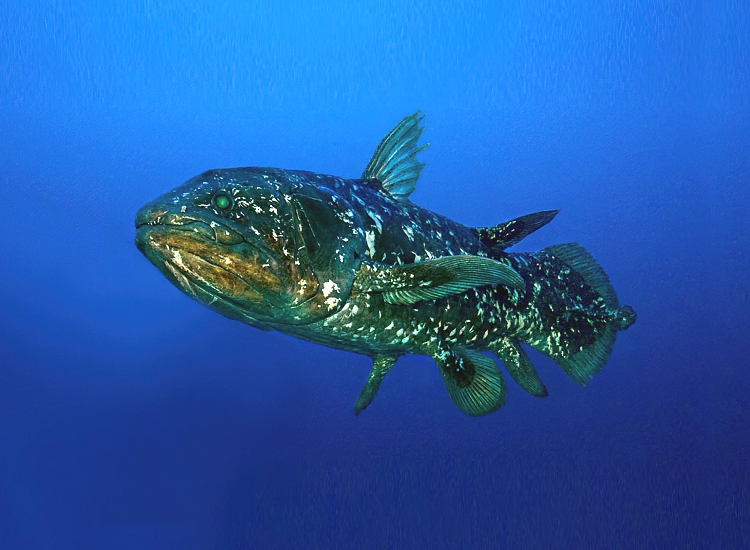
The Park covers an area of about 552 km² of which 85 km² are terrestrial and 467 km² are aquatic. It includes the bays of Tanga City and Mwambani, Tongoni estuary, and three small islands of Toten, Yambe and Karange. This park is internationally renowned for the presence and high abundance of the coelacanth, Latimeria chalumnae. The rare ‘living fossil’ fish were re-discovered in the coastal waters off Tanzania in 2003. Since then has been sighted frequently within the TACMP area. Today, many of the park’s residents see the coelacanth as an icon for their rich coastal resources and opportunities for eco-tourism.
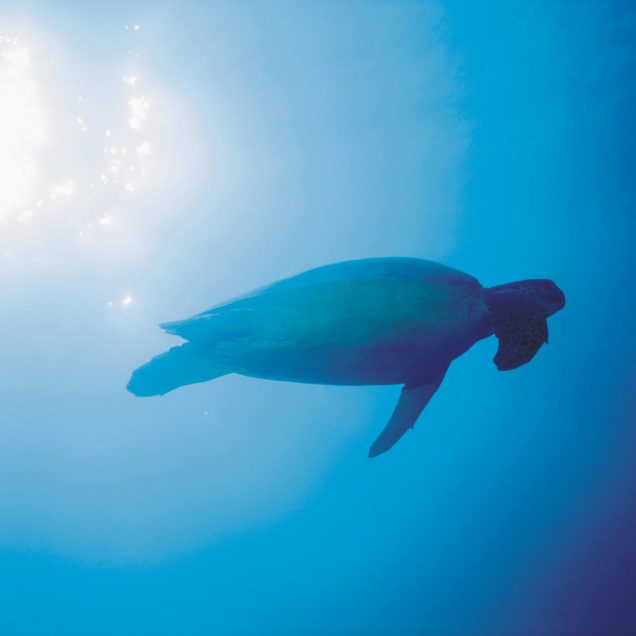
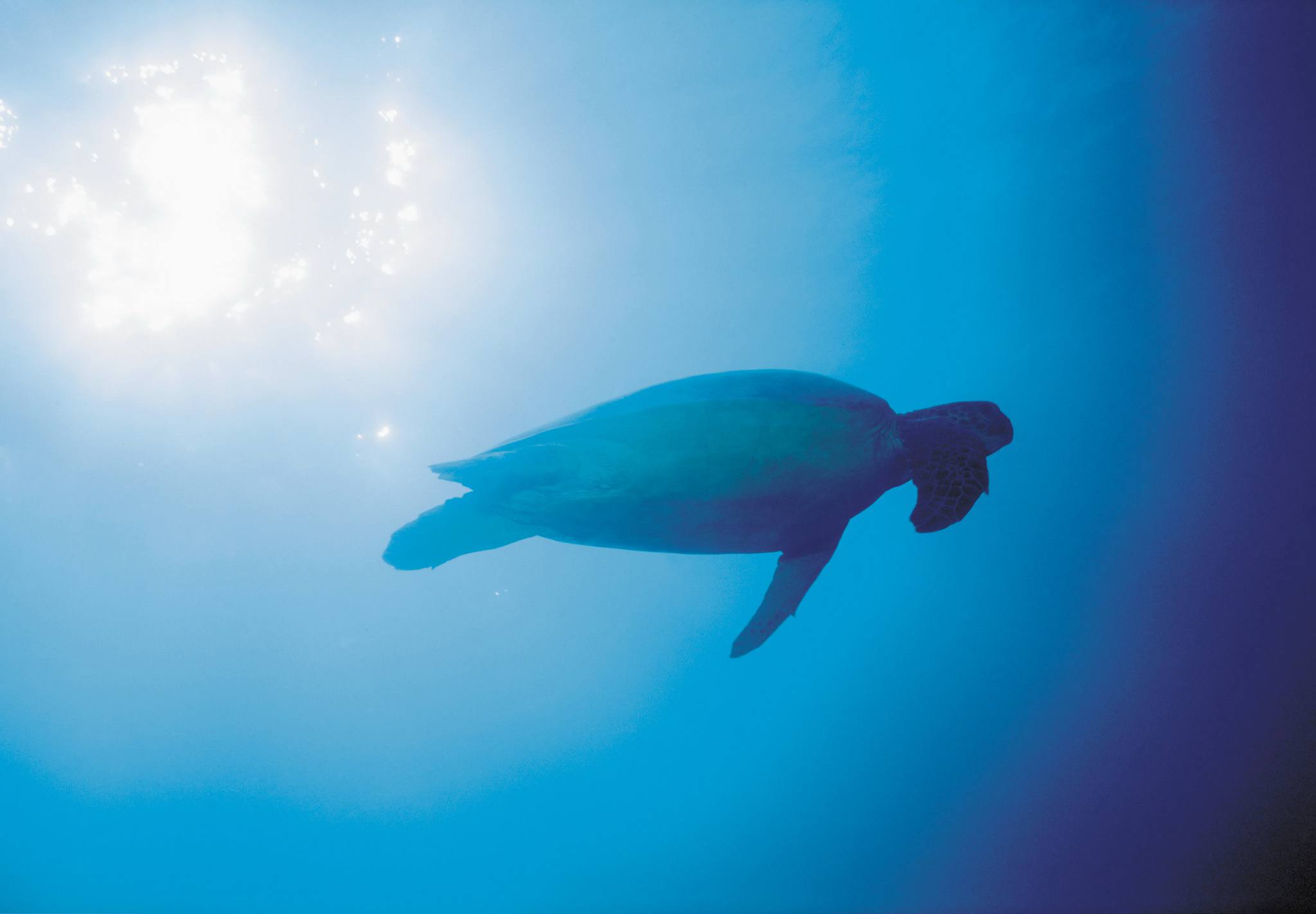
Marine life consists of endangered species like dugong, which was sighted in 2006 off Kigombe, sea turtles, tropical fish species and migratory water birds. The park is focusing intensely on Coelacanth protection as a key component for achieving its species and biodiversity conservation objective.
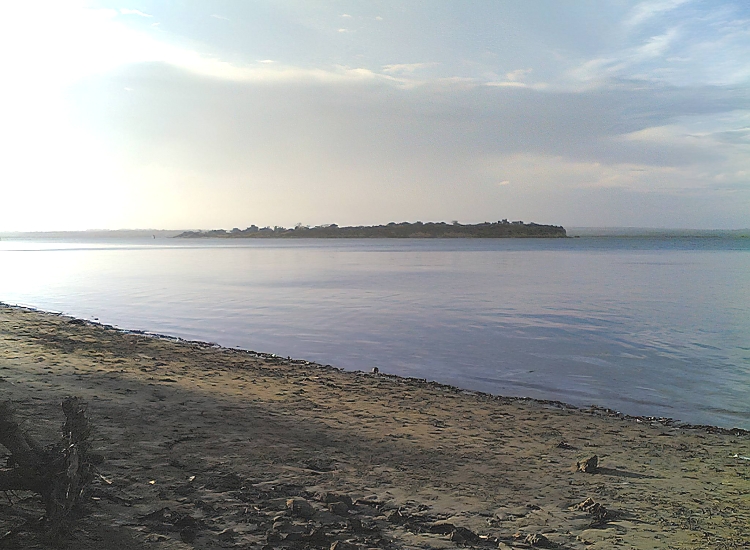
- Toten Island
- Yambe Island
- Karange Island
Sights
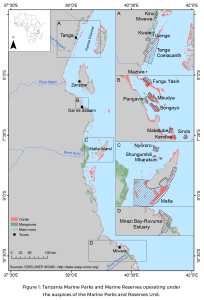
Map
Info
Tanga Coelacanth Marine Park (TACMP)
- Area and location: The park spans 552 square kilometers, with 85 sq km of terrestrial area and 467 sq km of marine area. It extends for 100 kilometers along the coastline, including Tanga City and Mwambani bays and the islands of Toten, Yambe, and Karange.
- Key species: The park is most famous for sightings of the coelacanth, Latimeria chalumnae, in its deep waters. It also provides a sanctuary for other endangered species, including dugongs, sea turtles, and migratory water birds.
- Ecosystems:
TACMP
includes a diverse mix of habitats such as coral reefs, mangrove forests, seagrass beds, and intertidal zones.
- Conservation: The park was established in 2009 to protect the coelacanth and other marine biodiversity. It has a multiple-use zoning system to balance conservation with sustainable development.
Tanga Marine Reserves System (TMRS)
- Location: This system comprises a group of smaller marine reserves in the Tanga Region, located north of Tanga Bay, toward the border with Kenya.
- Reserves: The reserves include
Kwale Island
,
Kirui Island,
Ulenge Island, and
Mwewe Island. The
Maziwe Island Marine Reserveis also part of the system.
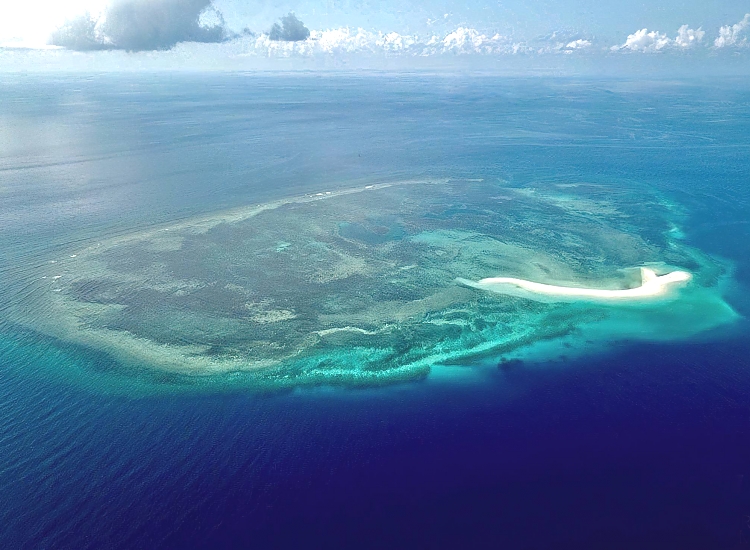
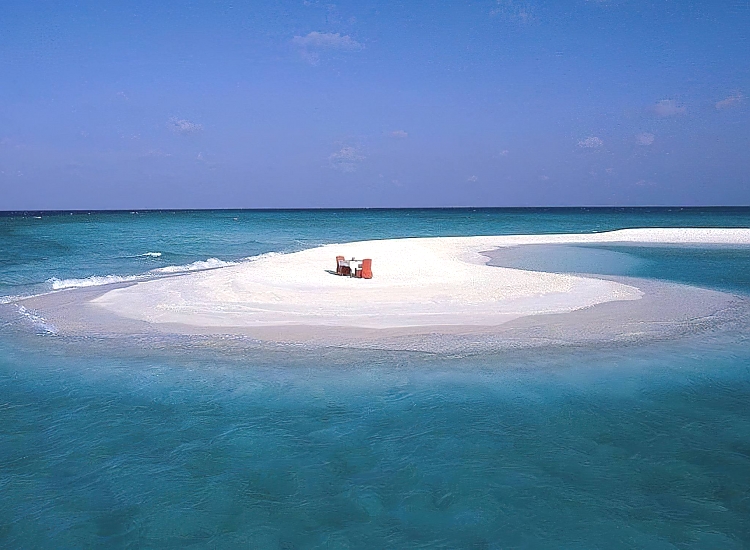
- Key features: These islands and the surrounding bays are vital for marine biodiversity. They are significant sea bird breeding areas and feature extensive mangrove forests. Maziwe Island, in particular, has a large sandbar that is popular with tourists.
Activities for visitors
- Snorkeling and diving: Explore the vibrant coral gardens and marine life, particularly around
Toten Island
and the Maziwe sandbar.
- Historical tours: Visit the ruins of ancient settlements and mosques on
Toten Island
and at
Tongoni.
- Nature walks: Walk the nature trails on the islands and see wildlife like the giant Aldabra tortoises and coconut crabs.
- Boat tours: Take a boat trip to explore the different islands and reserves, and you might see dolphins or migratory whales
- Birdwatching: The reserves’ islands are important breeding sites for sea birds.
How to get there
- From Tanga: Access to the park and reserves is generally arranged through boat trips from Tanga city.
- From Dar es Salaam: You can fly directly to Tanga Airport (TGT) from Dar es Salaam (DAR) or take a bus for a longer journey.